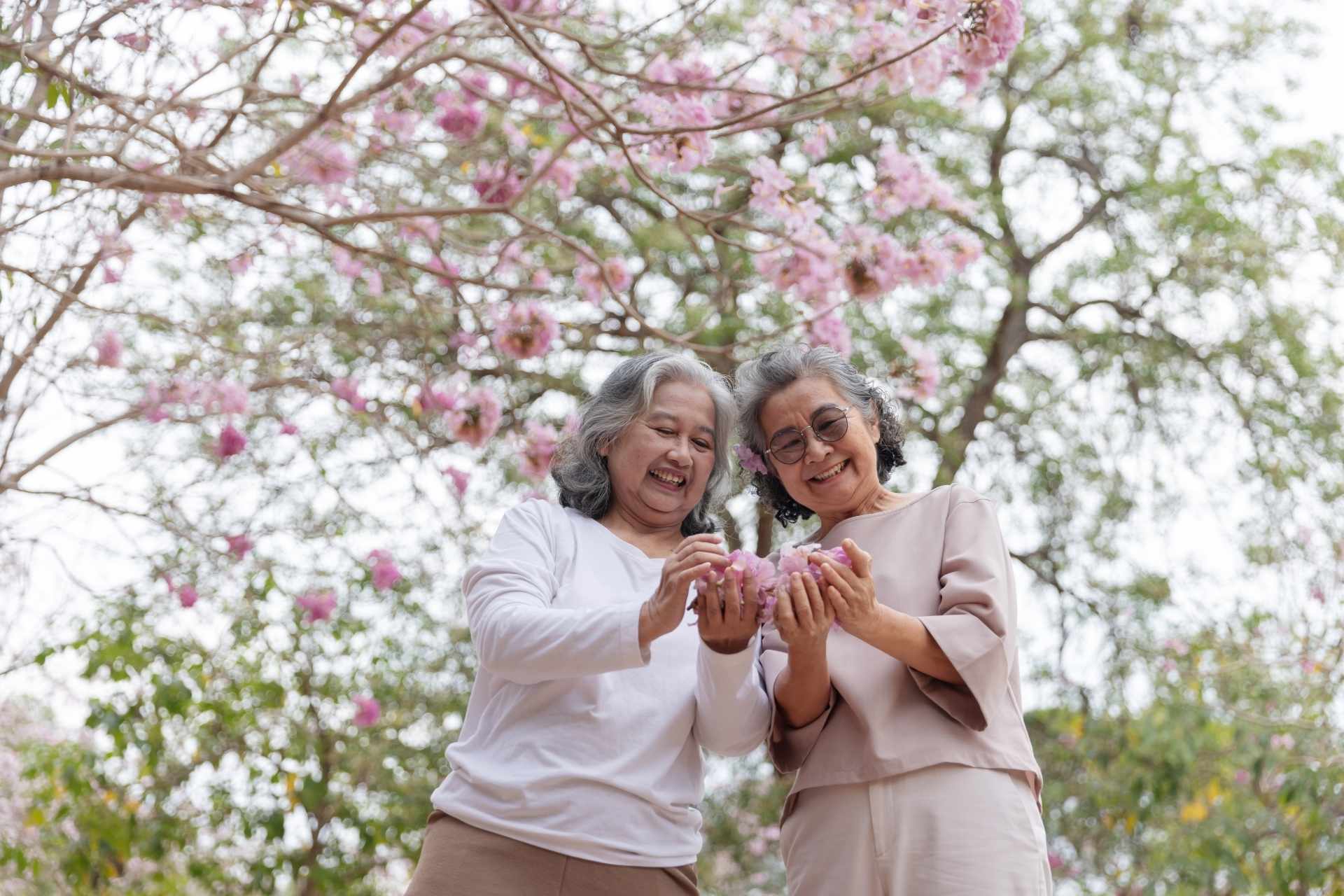

Connection in enhanced personal care often looks quieter, but it is no less important.
It doesn’t always show up in long conversations or shared activities. Instead, it tends to unfold in smaller, more subtle ways: through presence, familiarity, and the simple act of being alongside someone else.
For residents who may need more physical support throughout the day, these moments carry a different kind of weight, helping shape how the day feels, even when everything else is moving more slowly.
The Importance of Being Seen
One of the most meaningful aspects of connection is also one of the simplest: feeling recognized. In EPC, residents often receive a higher level of care, which can sometimes shift the focus toward physical needs. But beyond that, there is still the person, someone with a history, a personality, and a way of experiencing the world that hasn’t disappeared.
Connection helps bring that back into focus.
It might be a familiar greeting in the morning, a conversation that unfolds over time, or a shared understanding that doesn’t need many words. These interactions reinforce something important: that each resident is seen, not just supported.
How Connection Adapts
As physical abilities change, the way people connect naturally adapts. What might have once been an active conversation or shared outing may become something quieter, like sitting together, listening to music, or simply spending time in the same space.
These changes don’t diminish connection. They reshape it. In many cases, they make it more intentional. There is less pressure to keep up with conversation or activity, and more space to simply be present. That presence, often, can be enough all on its own.
The Role of Familiarity in Daily Life
Familiarity plays a central role in EPC, especially as routines become more structured.
Seeing the same people each day, following a consistent rhythm, and returning to spaces that feel recognizable all contribute to a sense of comfort. Even when energy levels vary or communication is limited, these repeated experiences provide a steady backdrop.
Over time, that consistency helps reduce uncertainty. Residents begin to anticipate what comes next, even if they can’t always describe it. And within that routine, connection has room to grow.
Small Interactions That Add Up
Connection in EPC is rarely built in a single moment but instead develops through repetition.
That might be a short conversation at some point during the day, a familiar presence at meals, or a shared activity that happens regularly, even if participation looks different each time.
Individually, these moments may seem small. Together, they create a pattern of interaction that feels steady and reliable. Research from the World Health Organization has shown that social connection plays a key role in emotional wellbeing across all stages of life, particularly for older adults who may be more vulnerable to isolation. In EPC, that connection often comes through consistency rather than intensity.
Comfort in Shared Spaces
There’s also something to be said for simply being around others, even if you aren’t directly interacting with them.
Even when conversation is limited, shared spaces create a sense of presence. Residents hear familiar voices, notice movement around them, and remain connected to the community’s natural rhythm.
This can be especially important for those who may not always initiate interaction on their own. Being part of a shared environment helps make sure that no one is completely disconnected, even on quieter days.
Supporting Connection Without Pressure
One of the most important aspects of connection in EPC is that it’s never forced.
Residents are not expected to engage in any specific way or at any particular level. Instead, the environment is designed to support interaction when and how it feels comfortable.
Some days may include more conversation, while other days may be quieter. Both are valid, and both allow for meaningful connection in their own way, but this flexibility helps ensure that connection remains a source of comfort, not stress.
What Families Often Notice
For families, the presence of connection often shows up in subtle, but meaningful, ways. They may notice that their loved one seems more at ease, or that they respond positively to certain people or routines. They may see small signs of recognition or engagement that weren’t there before.
Even when communication changes, those emotional responses remain. Knowing that a loved one is part of a community where they are seen and supported can provide a strong sense of reassurance.
A Community Built on Presence
At Priority Life Care, Enhanced Personal Care is grounded in the understanding that connection doesn’t need to be loud or constant to be meaningful.
What matters is creating an environment where residents feel supported, recognized, and gently connected to those around them. Where small interactions build over time, and where presence itself becomes a form of care.
If you’d like to learn more about how our EPC communities support comfort, dignity, and meaningful connection, we invite you to reach out.
We’re here to support every moment that matters, in ways that feel natural, steady, and respectful.
At Celebration Villa of Reedsville, residents enjoy the comfort of familiar faces and the relationships that develop through everyday community living. Greenwood Furnace State Park, downtown Lewistown, and the scenic Amish countryside offer wonderful opportunities to enjoy time with family and friends. Located near Geisinger Lewistown Hospital in Mifflin County, the community blends small-town charm with the support residents deserve.